Best Techniques for Cleaning a Hummingbird Feeder
Keeping your hummingbird feeder clean is essential for the health and safety of hummingbirds. A dirty feeder can lead to mold growth, bacterial infections, and spoiled nectar, which may harm these delicate birds.
Regular maintenance ensures your feeder remains an inviting and safe food source. Follow these easy cleaning techniques to maintain a fresh and hygienic environment for hummingbirds.
Step-by-Step Guide to Cleaning a Hummingbird Feeder
1. Empty the Feeder
Start by discarding any leftover nectar. Never reuse old nectar, as it can ferment quickly, especially in warm weather. If the feeder is not emptied regularly, reduce the nectar amount to avoid waste.
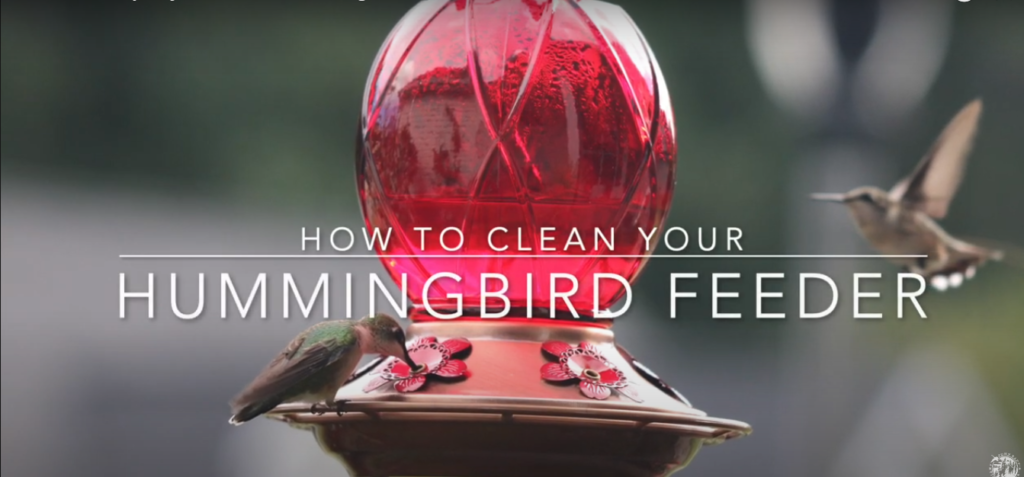
2. Disassemble the Feeder
Take apart the feeder to clean all components thoroughly. Most feeders have removable parts, such as feeding ports and bee guards. Disassembling helps remove hidden residue and prevents mold buildup.
3. Soak in a Cleaning Solution
Fill a sink or bowl with warm water and mild dish soap. Submerge the feeder parts and let them soak for 1 to 2 hours. This process helps loosen sticky nectar residue, dirt, and mold, making it easier to scrub away.
Read more: Soak in a Cleaning Solution
4. Scrub Thoroughly
Use a soft cloth, sponge, or bottle brush to scrub all feeder parts. Pay special attention to small crevices and feeding ports, where mold and bacteria tend to grow. For narrow-neck feeders, place a spoonful of uncooked rice, dish soap, and water inside, then shake well to dislodge any stubborn debris.
5. Rinse Completely
After scrubbing, rinse each part under cold, running water to remove all soap residue. Any leftover soap can alter the taste of nectar, discouraging hummingbirds from feeding.
6. Dry and Reassemble
Place all cleaned parts on a dish towel or drying rack and let them air dry completely. Once dry, reassemble the feeder and refill it with fresh homemade nectar.
Read more: Dry and Reassemble
Additional Tips for Maintaining a Hummingbird Feeder
- Clean every 3–5 days in warm weather and at least once a week in cooler conditions.
- Avoid using bleach or strong chemicals, as they can be harmful to birds.
- Inspect the feeder for leaks, cracks, or damage that may affect nectar quality.
- Hang feeders in shaded areas to slow nectar spoilage and reduce mold growth.
By following these simple yet effective cleaning techniques, you can ensure hummingbirds stay healthy and keep returning to your feeder for fresh nectar!
Effective Techniques for Cleaning a Hummingbird Feeder
Properly cleaning your hummingbird feeder is crucial to maintaining fresh nectar and ensuring the health and safety of hummingbirds. A dirty feeder can lead to mold growth, bacterial contamination, and spoiled nectar, discouraging birds from returning.
Follow these best cleaning techniques to keep your feeder in top condition.
How Often Should You Clean a Hummingbird Feeder?
- Regular Cleaning: Wash the feeder once a week and replace the nectar every 3–5 days to prevent fermentation.
- Hot Weather Maintenance: In warmer climates, clean the feeder every 2–3 days, as high temperatures speed up nectar spoilage.
- High Bird Activity: If many hummingbirds visit, increase cleaning frequency to prevent quick nectar depletion and residue buildup.
Also read: How Often Should You Clean a Hummingbird Feeder
Alternative Cleaning Methods for Hummingbird Feeders
1. Dishwasher Cleaning
If your feeder is dishwasher-safe, you can use this method for routine maintenance. However:
- Avoid dishwashing moldy feeders, as it may not remove all contaminants.
- Use a gentle cycle and low heat to prevent feeder warping.
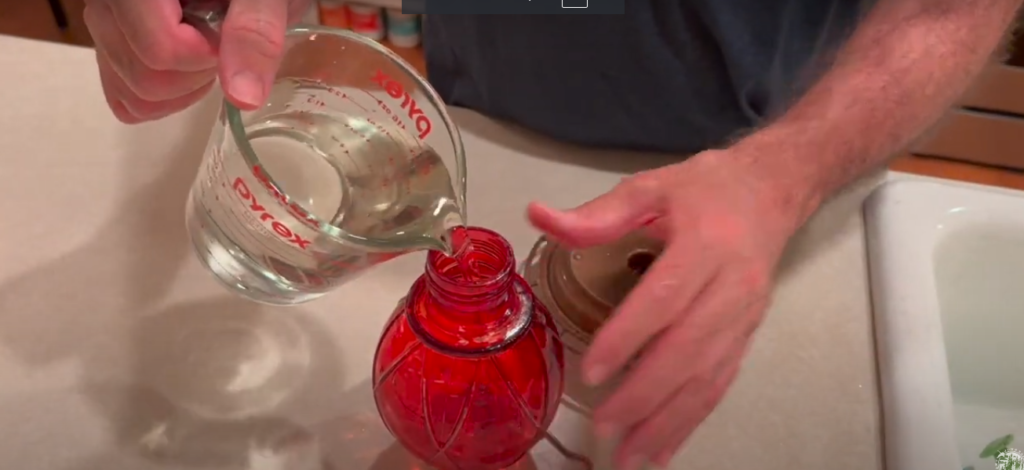
2. Vinegar Solution for Deep Cleaning
For a natural cleaning method, use a vinegar solution:
- Mix one part distilled vinegar with two parts water.
- Soak the feeder for about one hour to loosen residue.
- Scrub gently with a brush, then rinse thoroughly with clean water.
- Ensure the feeder is completely dry before refilling with fresh nectar.
By following these easy and effective cleaning techniques, you can ensure hummingbirds have a safe and healthy feeding environment, encouraging them to visit your feeder regularly.
FAQ’s:
1. Why is it important to clean a hummingbird feeder regularly?
Answer: Regular cleaning prevents mold growth, bacterial contamination, and fermentation of nectar, which can be harmful to hummingbirds. A dirty feeder may discourage birds from returning and could lead to diseases or infections.
2. How can I tell if my hummingbird feeder needs cleaning?
Answer: Signs that your feeder needs cleaning include:
- Cloudy or discolored nectar
- Black spots or mold inside the feeder
- Sticky residue around the feeding ports
- A decrease in hummingbird visits
3. Can I use bleach to clean my hummingbird feeder?
Answer: While bleach can kill bacteria and mold, it is not recommended because any leftover residue can be harmful to birds. Instead, use a vinegar solution (1 part vinegar to 2 parts water) or warm, soapy water for safe and effective cleaning.
4. What is the best way to clean hard-to-reach areas of a hummingbird feeder?
Answer: Use a bottle brush or a small pipe cleaner to scrub inside narrow feeder openings. Another trick is to fill the feeder with a mixture of water, dish soap, and a handful of dry rice, then shake it vigorously to dislodge any stuck debris.
5. How do I prevent mold from growing in my hummingbird feeder?
Answer: To prevent mold:
- Clean the feeder frequently (every 2-3 days in hot weather)
- Use a nectar solution without additives (only sugar and water)
- Keep the feeder in a shaded area to slow fermentation
- Ensure the feeder is completely dry before refilling
About the Author
